REMI C.T. STUDIO
Remi C.T. Studio
020 3998 3734
Remict.com
info@remict.com
@remict_studio
Who are Remi C.T. Studio?
We’re an architecture and interior design practice based in East London. The studio grew out of a belief that architecture should serve the rituals of everyday life – the way a family gathers, how light moves through a room, and how a home responds to its street.
Residential homes are our bread and butter, but we also work across cultural and commercial projects too. We’re particularly passionate about turnkey commissions that unite every stage - from architecture to construction, interior design and even landscaping - so that we can be a one-stop-shop, as it were.
I’m from Leytonstone myself, and not only know the area and housing stock well, but also enjoy working with local manufacturers and suppliers.
What is your design philosophy?
Every project starts with a conversation about how clients actually live: their routines, what they want to retreat from, what they want to celebrate. From there, architecture, interiors, and landscape are designed as one continuous experience, framing views, light, and craft, so that the home feels personal rather than templated.
Problem-solving sits at the heart of the practice, and we find real opportunity in constraint. Many of our London projects sit on awkward infill plots, and those limitations tend to produce the most interesting work. Planning-wise, we’ve got a lot of experience with Waltham Forest, which definitely helps.
Are you happy for clients to be involved in the design?
Definitely. Collaboration is how we work best, and we love to see your moodboards and Pinterest saves! After all, it’s your home and nobody knows what you need from it better than you do. Early-stage workshops map out a client's lifestyle, rituals and how they want to feel in each room; and the richest projects are always the ones where the client brings strong ideas to the table. Our job is to translate those ideas into something architecturally resolved, buildable and worth living in for a long time.
What inspires you?
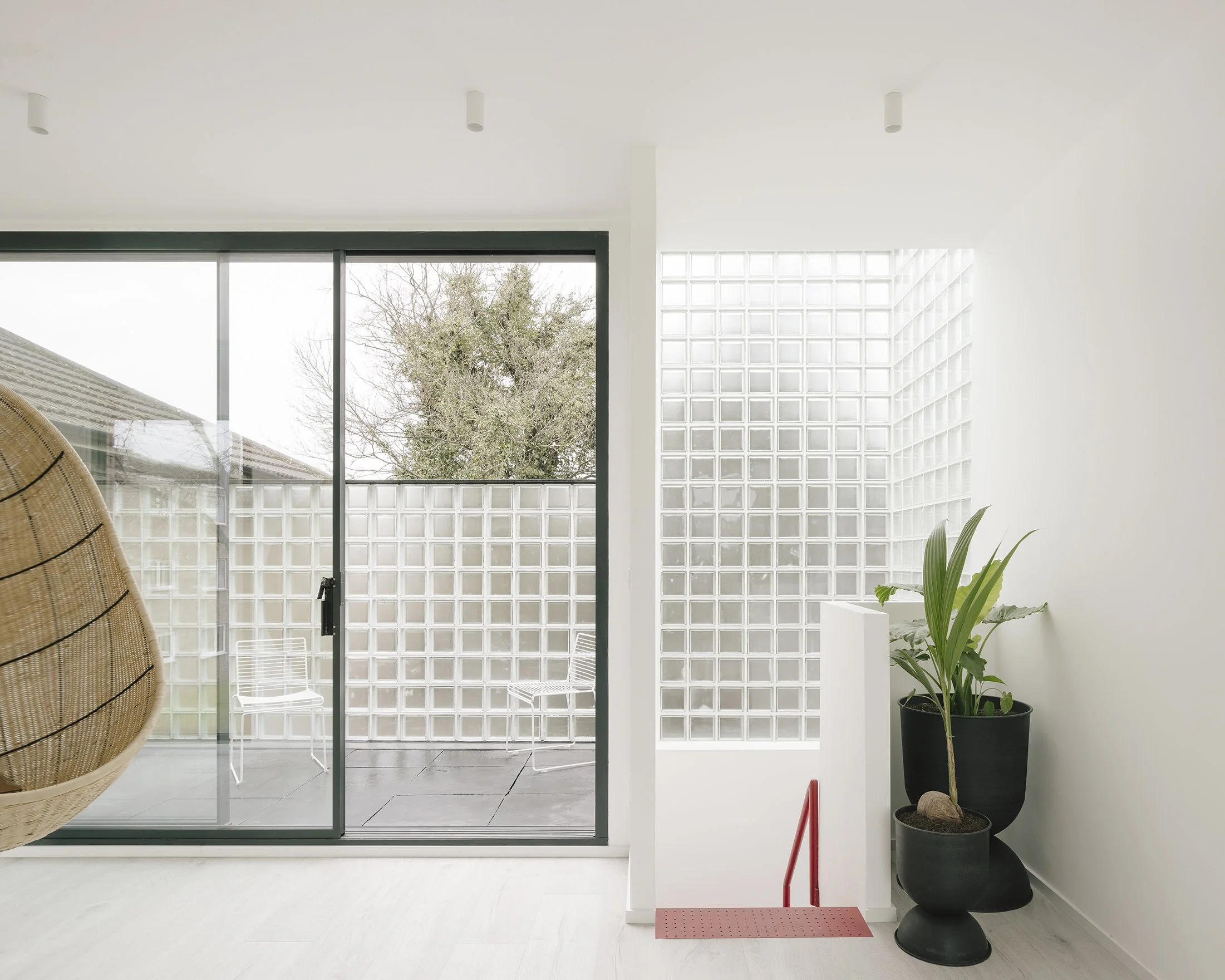
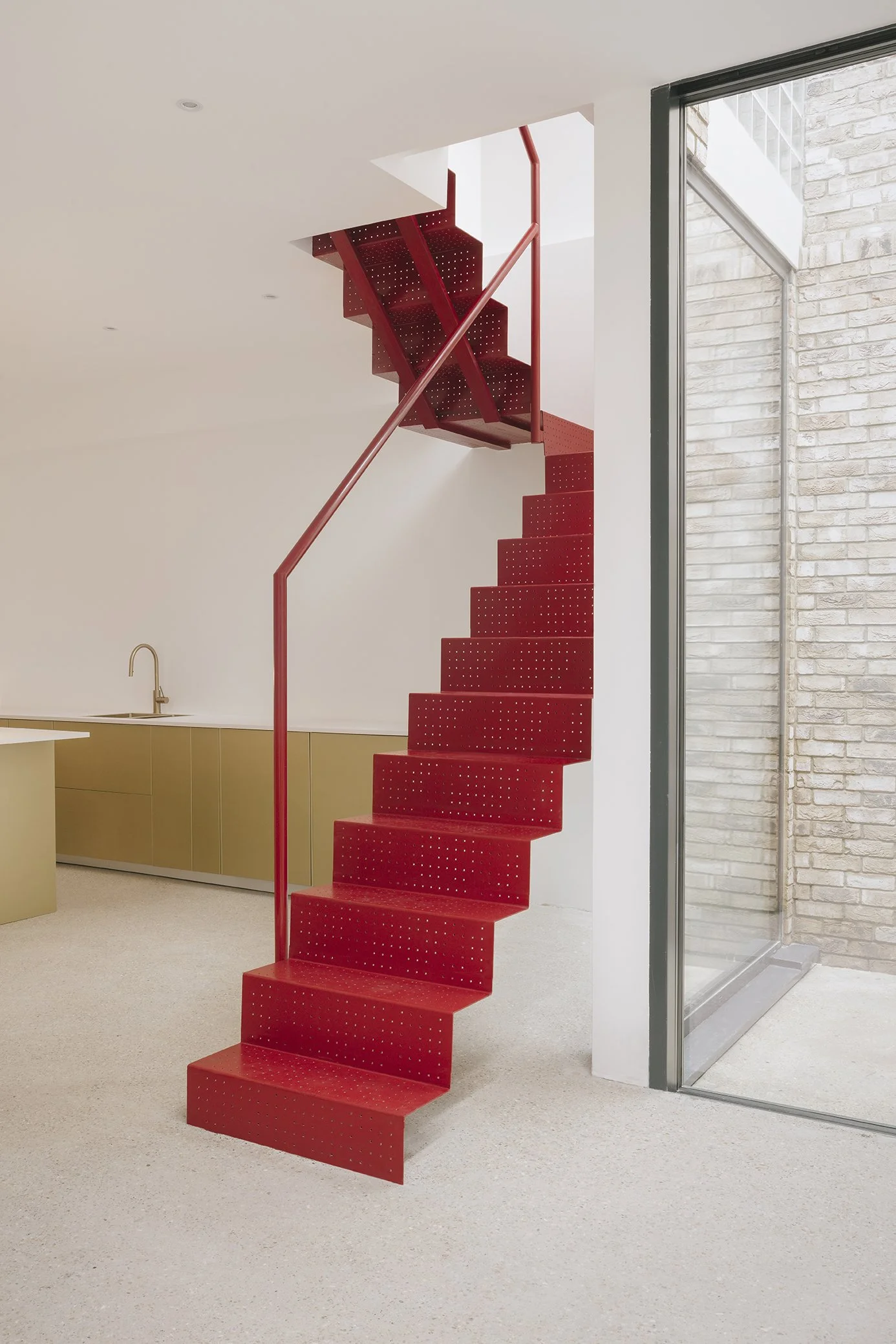
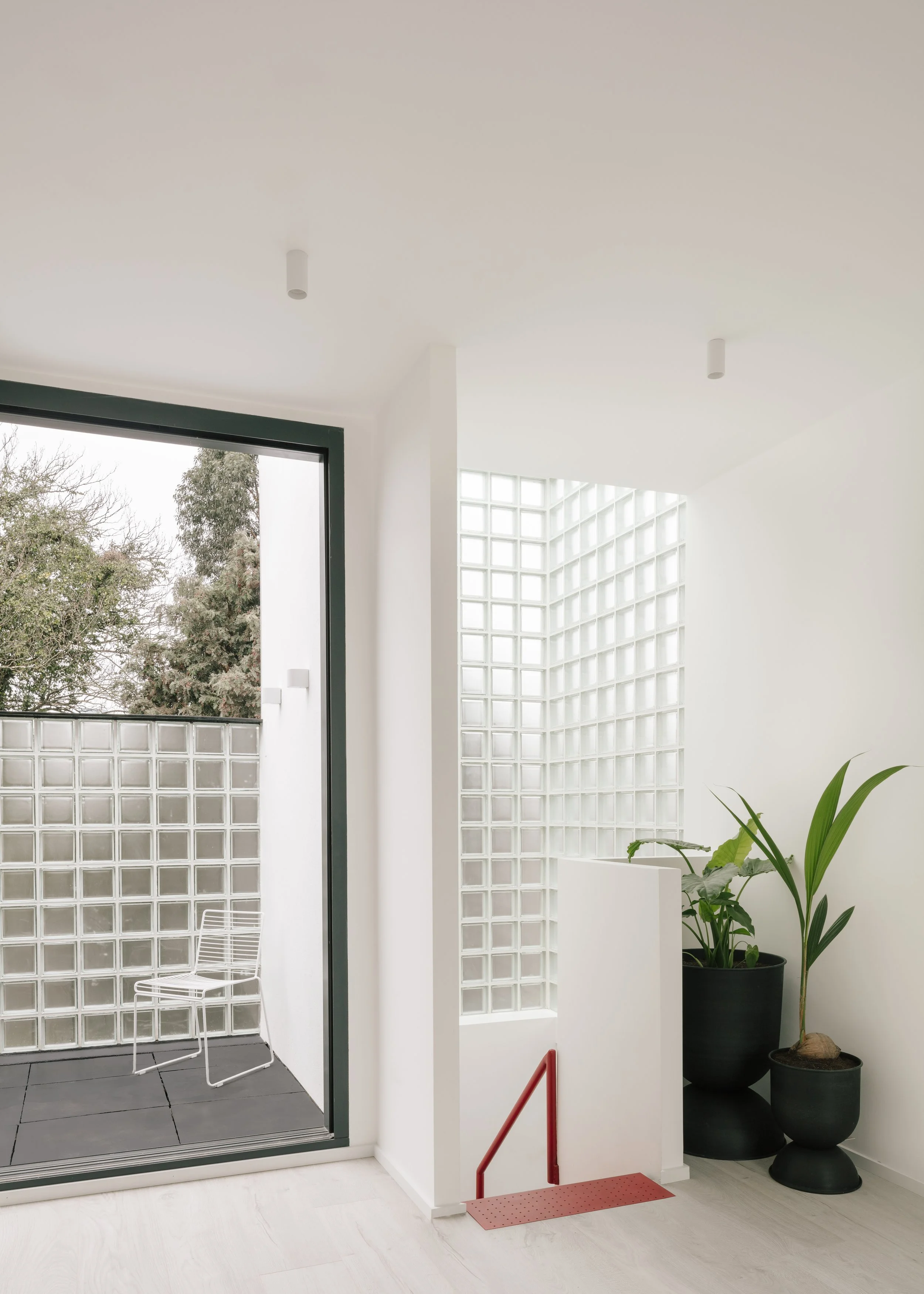
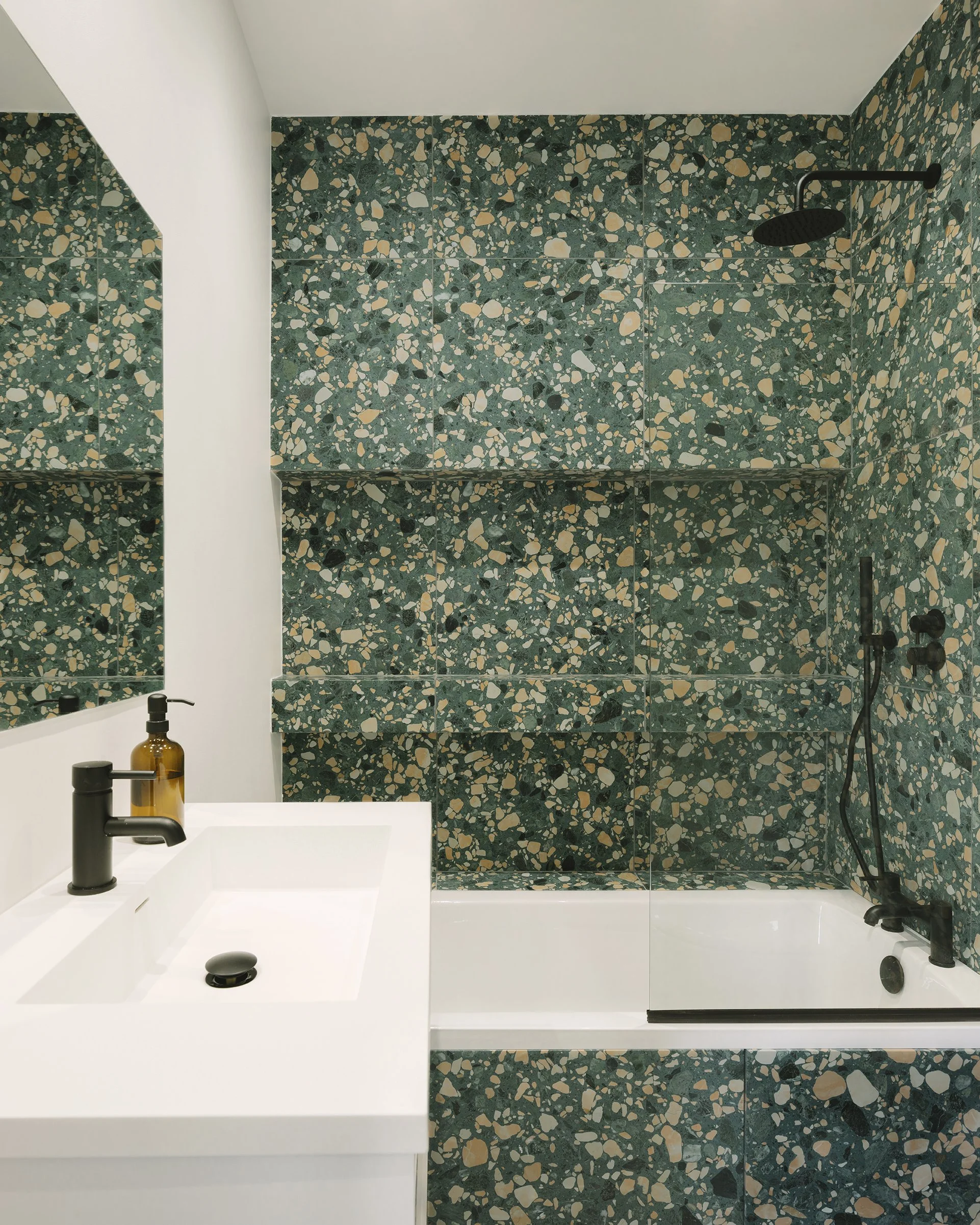
Context, always. We spend time understanding the site first: the streetscape, neighbouring rooflines, brick types, how the sun moves across the plot, even local craft traditions. Materials with character: London stock brick, lime plaster, hand-finished timber and hollow-block masonry. And art. We regularly collaborate with artists and craftspeople so that bespoke pieces become part of the architecture, rather than added at the end.
Your designs are beautiful, but are they practical?
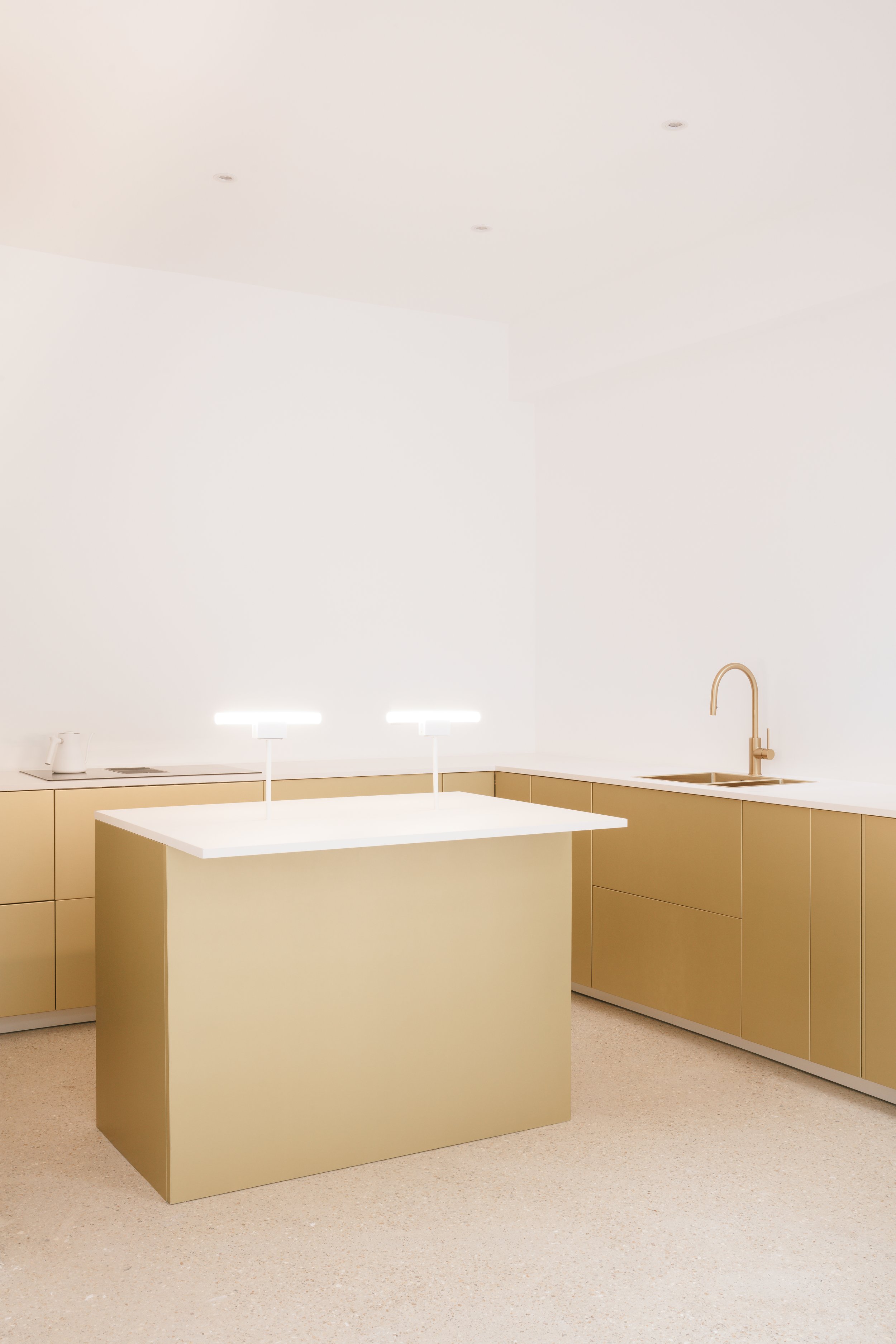
Practicality is the foundation. Most clients are families building homes they intend to stay in, so we obsess over the everyday: where the school bags go, how the kitchen flows when you are hosting, whether the materials will survive a decade of real life. Storage is designed in from the start - joinery, concealed pantries, considered thresholds - so that the calm aesthetic actually holds up. A home that looks right but does not work is not really right at all.
How important is sustainability?
Sustainability is a standard, not a feature. It's woven into the design from day one, considered through materiality and buildability so that it becomes part of the beauty and experience of the home rather than an add-on. We work across three layers: the materials specified (local where possible, low-carbon and durable), the passive design strategies (orientation, cross-ventilation, thermal mass and daylight), and long-term performance (heat pumps, retrofit insulation and smart energy systems).
The million dollar question: will you work to a budget?
Yes, and we’re direct about it, letting clients know what we think they can achieve with their budget in the current climate – and finding ways around issues where possible. Brief and budget have to align – it's the only way to avoid a difficult conversation halfway through. We support the tender process and are happy to problem-solve alongside clients to keep costs in check. Fees are always transparent and agreed upfront. A slightly uncomfortable budget conversation at week one is far better than a much harder one at month six!
What should people look for when choosing an architecture Studio?
Look for a Studio whose past work resonates, not just visually, but in feeling. Meet the team and pay attention to the conversation: can you have a real dialogue with them? Does it feel like a collaboration rather than a fixed vision being delivered? A renovation is a long process, and transparency through every stage is what brings a design vision to life. Welcome an architect who queries the brief. The best projects come from an honest conversation between what a client thinks they want and what the architecture is asking for.
What is the first step in working with you?
A conversation. Usually a call, then a site visit to walk the space together. We’ll use that visit to understand the property, the planning context and your ambitions; and we’ll talk openly about timeframes and budget from the outset. After that comes a tailored fee proposal. We try to be the right fit before anything is signed, and if that’s not the case, we’ll always say so.